- AI-driven vs Traditional SEO
- AI in SEO Evolution
- AI in E-Commerce SEO
- Traditional SEO Foundations
- AI vs Human in SEO
- Technology in SEO Enhancement
- Personalization in SEO
- Scalability of SEO Strategies
- Efficiency through Automation
- AI vs Traditional Agencies
- Predictive Analytics in SEO
- Final Remarks
- Frequently Asked Questions
- Key Takeaways
Are you curious about the differences between AI-driven SEO and traditional SEO? Wondering which SEO tactics and strategy will propel your online presence to reach new heights, ranking high? Dive into this blog post to uncover the key differences, benefits, challenges, and impact of these two powerful approaches and their different types. Discover how artificial intelligence revolutionizes search engine optimization for SEO experts, offering advanced insights and automation. Explore the nuances of traditional SEO methods, including keyword targeting and their enduring relevance in the digital landscape. By the end of this read, digital marketers will have a clearer picture of how AI-driven SEO and traditional SEO stack up against each other in the quest for online visibility and success.
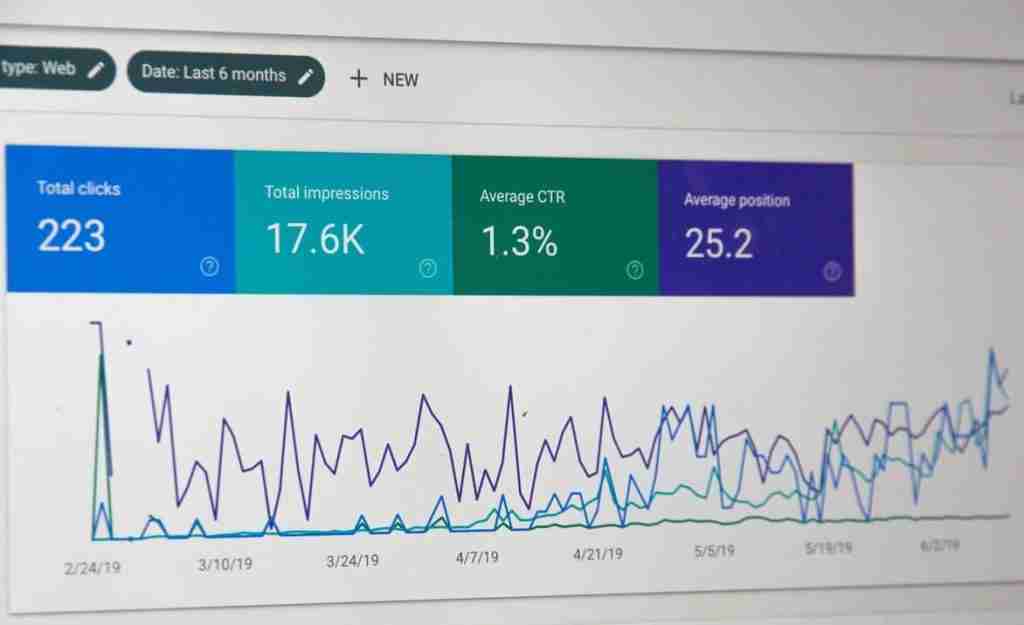
AI-driven vs Traditional SEO
Core Differences
AI-driven SEO relies on machine learning algorithms to analyse data and optimize content, while traditional SEO involves manual keyword research and optimization techniques. With machine learning algorithms, AI SEO tools have better capabilities to adjust to shifting search trends, providing valuable information about the changing tastes of users.
Traditional SEO often requires manual monitoring of keyword performance and content optimization, leading to a more time-consuming process compared to AI-driven SEO. AI can handle large datasets efficiently, identifying patterns and trends that may be overlooked through traditional methods.
Impact on Practices
With AI-driven SEO, businesses can automate repetitive tasks such as keyword analysis and content optimization for their website, freeing up time for marketers to focus on strategy development. This automation leads to more accurate targeting of keywords and improved content relevancy for users.
In contrast, traditional SEO practices may struggle to keep up with the dynamic nature of search engines algorithms, personalised SERP rankings, and user behaviour trends. Manual processes can be labour-intensive and prone to human error, potentially leading to suboptimal results in keyword targeting, technical SEO, and content optimization.
Efficiency and Speed
AI-driven SEO tools can analyse vast amounts of data related to search engines, keywords, website, and rankings in a fraction of the time it would take a human analyst. By leveraging machine learning capabilities, these tools can provide actionable insights quickly, helping businesses make informed decisions promptly.
On the other hand, traditional SEO methods may require extensive manual effort to collect and analyse data before implementing changes. This slower pace could result in delayed responses to algorithm updates or shifts in user search behaviour, impacting the effectiveness of SEO strategies.
Cost Considerations
While initial investments in AI-powered SEO tools may be higher than traditional methods, the long-term cost savings can outweigh the upfront expenses. By improving efficiency and accuracy in keyword targeting and content optimization, businesses can achieve higher ROI through increased organic traffic and conversions.
In comparison, traditional SEO practices may involve ongoing costs associated with manual labour for keyword research, content optimization, and performance monitoring to improve rankings on search engines. These recurring expenses could accumulate over time without delivering the same level of precision or speed as AI-driven solutions.
AI in SEO Evolution
Rise of AI
AI has revolutionized the field of SEO, transforming the way websites are optimized for search engines. Machine learning algorithms now analyse vast amounts of data to improve search rankings effectively. Traditional SEO techniques for websites are being replaced by advanced AI tools that can adapt to changing algorithms of search engines.
The rise of AI in SEO has led to enhanced user experience, with personalized search results based on individual preferences and behaviours. Search engines like Google utilize AI to deliver more accurate and relevant search results, improving user satisfaction. This shift towards AI-driven SEO has made it crucial for businesses to adopt these technologies to stay competitive in the digital landscape with search engines and website.
Challenges in Using AI for SEO
| Features | Pros | Cons |
| Data Analysis | – Faster insights | – Risk of errors |
| Content Creation | – Efficiency | – Lack of creativity |
| Keyword Research | – Automation | – Limited context |

- Overreliance on AI tools can lead to overlooking human insights and intuition.
- AI algorithms may not always understand the nuances of language or cultural references, affecting SEO strategies.
- Constant updates and maintenance of AI systems can be time-consuming and costly.
- Ensure a balance between AI automation and human oversight to avoid detrimental effects on SEO strategies.
- Regularly review and adjust AI algorithms to adapt to changing search engine algorithms and user behaviours.
- Incorporate manual keyword research and content optimization to complement AI-generated suggestions.
In the fast-paced world of SEO, leveraging AI can provide numerous benefits, but it also comes with its own set of potential challenges. By understanding the limitations of AI tools and implementing a balanced approach, businesses can maximize the potential of AI for SEO success.
Automation Benefits
One significant advantage of AI-driven SEO is its automation capabilities for search engines and websites. Tasks that were once time-consuming and labour-intensive, such as keyword research and content optimization, can now be automated through AI tools. This automation not only saves time but also ensures more accurate and efficient optimization strategies.
With AI-powered automation, businesses can optimize their websites 24/7, continuously monitoring performance metrics and making real-time adjustments. This proactive approach allows for quicker responses to algorithm changes and competitor strategies, giving companies a competitive edge in the online market.
Predictive Analytics
AI in SEO enables the use of predictive analytics to forecast future trends and consumer behaviour accurately. By analysing historical data and patterns, AI algorithms can predict changes in search engine algorithms and user preferences. This foresight allows businesses to adapt their SEO strategies proactively to search engines and website.
Predictive analytics also help in identifying emerging keywords and topics that have the potential to drive traffic and conversions via search engines. By leveraging AI-driven predictive analytics tools, businesses can stay ahead of the curve and optimize their content strategy for maximum impact.
AI in E-Commerce SEO
Benefits of AI in E-Commerce
AI in E-commerce SEO offers real-time data analysis, enabling businesses to make quick adjustments based on current trends.
It automates keyword research and content optimization, ensuring that e-commerce websites are always optimized for search engines.
Challenges with Traditional SEO
Traditional SEO methods often rely on manual processes for search engines and website, which can be time-consuming and less effective in the fast-paced e-commerce environment.
Without AI, businesses may struggle to keep up with the dynamic nature of search engine algorithms, leading to decreased visibility and traffic.
Enhanced User Experience
AI-driven SEO in e-commerce focuses on personalization and user behaviour analysis, resulting in a more tailored and engaging shopping experience for customers.
By understanding customer preferences through AI algorithms, e-commerce platforms can offer relevant product recommendations and improve overall user satisfaction.
Improved Conversion Rates
Through AI-powered tools like chatbots and recommendation engines, e-commerce websites can provide instant assistance to customers, leading to higher conversion rates and increased sales.
AI also helps in identifying potential leads by analysing user interactions, allowing businesses to target their marketing efforts more effectively.
Traditional SEO Foundations
Understanding Basics
Traditional SEO focuses on optimizing websites to rank higher in search engine results organically. It involves keyword research, on-page optimization, and link building strategies.
One of the key aspects of traditional SEO is understanding search engine algorithms and how they determine website rankings. This includes factors like relevance, authority, and user experience.
Implementing meta tags, optimizing website speed, and creating high-quality content are fundamental practices in traditional SEO strategies.
Content Optimization
Content optimization in traditional SEO involves creating relevant, valuable, and keyword-rich content for websites to rank higher on search engines. This helps attract organic traffic to the website and improve search engine rankings.
Utilizing targeted keywords strategically throughout website content is essential for effective content optimization in traditional SEO to rank higher on search engines.
Regularly updating and refreshing website content is crucial for maintaining relevance and visibility in search engine results pages (SERPs).
Competitor Analysis
Conducting competitor analysis is a significant component of traditional SEO strategies. It involves identifying competitors’ strengths, weaknesses, and keywords they are targeting.
Analysing competitors’ backlink profiles can provide insights into potential link building opportunities for improving website authority.
Monitoring competitors’ content strategies and engagement metrics can help refine content creation and promotion efforts in traditional SEO campaigns.
AI vs Human in SEO
| Key Differences | AI SEO | Traditional SEO |
| Data Processing | AI can process vast amounts of data quickly and efficiently | Humans may struggle to process large datasets manually |
| Speed | AI can analyse data and make recommendations in real-time | Humans may take longer to analyse data and implement changes |
| Personalization | AI can personalize content and recommendations based on user behaviour | Humans may rely on general strategies without personalization |
| Scalability | AI can scale campaigns and strategies easily across multiple platforms | Humans may face limitations in managing multiple campaigns simultaneously |
| Automation | AI can automate repetitive tasks, saving time and resources | Humans may need to manually perform tasks, leading to potential errors and inefficiencies |
Superior Strategies
AI-driven SEO offers unparalleled efficiency through automated tasks, enabling quick analysis of vast data sets. This leads to real-time adjustments for optimal performance. Traditional SEO relies on manual efforts, making it slower and less precise than AI algorithms.
In terms of scalability, AI can handle a large volume of tasks simultaneously, ensuring consistency across various aspects of SEO strategies. On the other hand, human-based SEO may face limitations due to time constraints and human errors.
AI’s ability to process and interpret complex data patterns allows for the identification of trends that might go unnoticed by humans. This results in more effective targeting of keywords and content optimization strategies. In contrast, traditional SEO methods may struggle to keep pace with rapidly changing search engine algorithms.
Personalization Metrics
AI-powered tools excel at leveraging user data to create highly personalized experiences for website visitors. By analysing user behaviour and preferences, AI can deliver tailored recommendations and content suggestions. This level of personalization enhances user engagement and boosts conversion rates.
Moreover, AI algorithms can predict user intent more accurately than manual methods, leading to improved user satisfaction and higher retention rates. Traditional SEO often lacks the depth of insight required to deliver such personalized experiences consistently.
Technology in SEO Enhancement
Tools and Platforms
AI-driven SEO relies on advanced tools and platforms to automate tasks like keyword research, content optimization, and performance tracking. These tools use machine learning algorithms to analyse data and make real-time adjustments. Traditional SEO, on the other hand, often involves manual processes for keyword analysis, content creation, and backlink building.
- Pros of AI-driven SEO:
- Faster optimization process
- More accurate data analysis
- Enhanced scalability for larger websites
- Cons of Traditional SEO:
- Time-consuming manual tasks
- Limited scalability for extensive projects
- Prone to human errors in data analysis
In the realm of AI-driven SEO, popular tools like SEMrush, Ahrefs, and Google’s own Search Console offer comprehensive solutions for optimizing websites based on data-driven insights. These platforms provide valuable information on keyword performance, competitor analysis, and site health metrics.
Conversely, traditional SEO practitioners may rely on tools like Google Analytics, Moz Pro, or Screaming Frog for data collection and analysis. While these tools are effective, they require more manual input and interpretation compared to their AI-driven counterparts of different types.
Data-Driven Insights
AI-driven SEO leverages vast amounts of data to generate actionable insights for website optimization. By analysing user behaviour patterns, search trends, and competitor strategies, AI algorithms can recommend targeted keywords, content improvements, and link-building opportunities.
On the flip side, traditional SEO methods rely heavily on human expertise to interpret data and make optimization decisions. This approach can be effective but is often limited by the analyst’s experience and capacity to process large datasets efficiently.
- Key benefits of AI-driven insights:
- Personalized recommendations based on user behaviour
- Predictive analytics for future trends
- Continuous monitoring and adaptation to algorithm changes
- Examples of traditional data insights:
- Manual keyword research based on industry knowledge
- Competitor analysis through backlink audits
- Content performance tracking using web analytics tools
Personalization in SEO
Importance in Strategies
Personalization in SEO plays a crucial role in optimizing online content for target audiences. Tailoring strategies to individual preferences increases user engagement and conversion rates.
Creating customized experiences through personalized content boosts brand loyalty and enhances overall user satisfaction. Understanding target audience user behaviour and preferences leads to more effective marketing campaigns.
Utilizing personalization allows businesses to stand out in a crowded digital landscape by offering unique and relevant content. This approach fosters stronger connections with customers, driving long-term success.
AI for Enhanced Personalization
Artificial intelligence (AI) revolutionizes personalization in SEO by analysing vast amounts of data to predict user behaviour. Machine learning algorithms enable AI to deliver hyper-personalized content recommendations based on user interactions.
AI-powered tools such as chatbots and recommendation engines provide real-time assistance and tailored suggestions to users. These technologies enhance user experience by offering instant solutions and relevant information.
Scalability of SEO Strategies
Traditional vs AI-driven
Traditional SEO strategies often involve manual keyword research, content optimization, and backlink building. These methods require significant human effort, time, and ethical concerns to implement effectively.
On the other hand, AI-driven SEO utilizes machine learning algorithms to automate various processes. This automation allows for faster analysis of data and trends, leading to quicker strategy adjustments.
In traditional SEO, scalability is limited by human capacity. As the volume of data increases, it becomes challenging to analyse and implement changes swiftly.
Conversely, AI-driven SEO can handle vast amounts of data efficiently. This scalability enables businesses to adapt their strategies rapidly in response to market shifts.
One key advantage of AI-driven SEO is its ability to provide personalized recommendations based on user behaviour. By analysing patterns and preferences, AI can tailor content for specific audiences.
Moreover, AI-powered tools can predict trends and identify opportunities that may not be apparent through manual analysis alone. This proactive approach gives businesses a competitive edge in the ever-evolving digital landscape.
Pros and Cons
Traditional SEO:
- Pros:
- Established techniques with proven results
- Allows for more hands-on customization
- Cons:
- Time-consuming and labour-intensive
- Limited scalability as data volume grows
AI-driven SEO:
- Pros:
- Automation leads to faster insights
- Scalable for handling large datasets
- Cons:
- Initial investment in AI technology required
- Dependency on accurate data inputs for optimal performance
Efficiency through Automation
Speed in Implementation
AI-driven SEO tools can swiftly analyse vast amounts of data, identifying trends and opportunities rapidly. This enables quick adjustments to strategies based on real-time insights. Traditional SEO methods, on the other hand, require manual analysis and implementation, which can be time-consuming.
Implementing AI-driven SEO involves setting up algorithms that continuously monitor and optimize website performance. These algorithms work autonomously, making adjustments within seconds to improve search engine rankings. In contrast, traditional SEO techniques rely heavily on manual intervention, slowing down the implementation process.
- AI-driven SEO: Rapid data analysis and real-time strategy adjustments.
- Traditional SEO: Manual analysis leading to time-consuming strategy implementation.
Cost-Effectiveness
When it comes to cost-effectiveness, AI-driven SEO offers significant advantages over traditional methods. By automating tasks such as keyword research, content optimization, and performance tracking, businesses can save both time and money. On the other hand, traditional SEO often requires hiring experts or agencies for these tasks, leading to higher costs.
AI-powered tools streamline processes like content creation and link building, reducing the need for extensive human involvement. This automation not only cuts down on labour costs but also increases overall efficiency. In contrast, traditional SEO approaches may involve outsourcing various aspects of optimization, resulting in higher expenses.
- AI-driven SEO: Automated tasks reduce costs and increase efficiency.
- Traditional SEO: Manual processes often lead to higher expenses.
AI vs Traditional SEO Agencies
Cost Efficiency
AI-driven SEO provides cost efficiency by automating repetitive tasks, reducing the need for manual labour. This automation leads to lower operational costs over time.
Traditional SEO agencies often require higher budgets due to the manual SEO work involved in keyword research, content optimization, and performance tracking.
AI SEO typically leads to faster revenue growth compared to traditional SEO
- Traditional SEO may require more time and resources to see significant revenue growth
- AI SEO can adapt quickly to changes in search engine algorithms, leading to more efficient revenue growth
- Traditional SEO may have limitations in scalability, impacting revenue growth potential
- AI SEO can provide more personalized and targeted strategies, resulting in higher revenue growth opportunities
AI vs Traditional SEO Agencies
| Features | AI | Traditional SEO Agencies |
| Speed | Faster audits | Manual and time-consuming |
| Accuracy | Consistent results | Human error potential |
| Scalability | Handles large volumes | Limited capacity |
| Cost Efficiency | Lower costs | Higher fees |
| Automation | Automated processes | Manual interventions |
- Pros of AI:
- Quick and efficient audits
- Reduced human error
- Scalable for large websites
- Cons of AI:
- Lack of human touch
- Limited customization
- Initial setup costs
- Pros of Traditional SEO Agencies:
- Personalized approach
- Tailored recommendations
- Human expertise
- Cons of Traditional SEO Agencies:
- Slower audit process
- Higher costs
- Potential for errors
- Choose AI for:
- Speedy audits
- Large-scale websites
- Cost-effective solutions
- Opt for Traditional SEO Agencies if:
- Personalized service is crucial
- Complex website structures
- Budget allows for higher fees
AI vs Traditional SEO Agencies
| Features | AI | Traditional SEO Agencies |
| Content Quality | Can produce high-quality content using algorithms and data analysis, ensuring relevancy and optimization. | Content quality highly depends on the expertise and creativity of human writers, which may vary. |
| Speed | Can generate content at a faster rate due to automation and machine learning capabilities. | Relies on manual processes, which can be time-consuming for creating and optimizing content. |
| Scalability | Easily scalable to handle large volumes of content creation and optimization efficiently. | Limited scalability due to the need for hiring more human resources to handle increased workloads. |
| Cost | Initial investment in AI technology may be high, but long-term costs can be lower than traditional agencies. | Costs may vary depending on the agency’s reputation, experience, and services offered. |
| Personalization | Can personalize content based on user behaviour, preferences, and trends, enhancing user engagement and satisfaction. | May struggle to provide personalized content at scale without significant manual effort. |
- Examples:
- AI: Uses natural language processing to analyse user intent and create tailored content.
- Traditional SEO Agencies: Rely on manual keyword research and content optimization techniques.
- Options:
- AI: Offers real-time analytics and insights to optimize content performance.
- Traditional SEO Agencies: Require constant monitoring and adjustments to keep up with SEO trends.
AI-driven content creation:
- Utilizes machine learning algorithms to generate content based on SEO best practices.
- Improves efficiency by automating repetitive tasks like keyword research and metadata optimization.
Traditional SEO agency content creation:
- Relies on human writers to craft content tailored to specific target audiences.
- Requires ongoing training and development to stay updated on SEO algorithms and strategies.
In the battle between AI and traditional SEO agencies for website audits, both have their strengths and weaknesses. AI offers speed, accuracy, and cost efficiency, making it ideal for large-scale SEO work and audits. On the other hand, traditional agencies provide a personalized touch and human expertise, catering to complex website structures. Consider your priorities and budget when deciding between the two options.
Speed and Accuracy
AI algorithms can analyse vast amounts of data quickly, allowing for faster decision-making in SEO strategies. The speed at which AI processes information results in real-time adjustments for optimal performance.
In contrast, traditional agencies may take longer to gather and analyse data manually, leading to potential delays in implementing effective SEO tactics.
Personalization and Scalability
AI-driven SEO offers personalized recommendations based on user behaviour and preferences. This level of personalization enhances user experience and increases engagement.
Traditional agencies may struggle with providing personalized strategies at scale due to limitations in manual analysis and customization capabilities.
Predictive Analytics in SEO
Forecasting Trends
AI-driven SEO utilizes predictive analytics to forecast future trends and behaviours based on historical data analysis. By leveraging machine learning algorithms, AI can accurately predict changes in search patterns and user preferences. This proactive approach allows businesses to stay ahead of the curve and optimize their strategies accordingly.
Traditional SEO methods, on the other hand, rely heavily on manual analysis and interpretation of data. While effective to some extent, this approach lacks the speed and accuracy offered by AI-driven predictive analytics. As a result, traditional SEO strategies may lag behind in adapting to rapidly evolving search engine algorithms and user behaviour trends.
Incorporating AI-powered tools into SEO strategies enables businesses to identify emerging trends before they become mainstream. By analysing vast amounts of data in real-time, AI can provide valuable insights into shifting consumer preferences and search patterns. This foresight allows businesses to tailor their content and optimization strategies proactively, ensuring maximum visibility and engagement.
Content Strategy Optimization
AI-driven SEO revolutionizes content strategy optimization by offering personalized recommendations based on user behaviour analysis. Through natural language processing (NLP) algorithms, AI can understand user intent and preferences, enabling businesses to create highly targeted content that resonates with their audience.
With traditional SEO methods, content strategy optimization often relies on keyword research and manual content creation processes. While effective in some cases, this approach may lack the depth and personalization offered by AI-driven solutions. By harnessing the power of AI, businesses can deliver hyper-targeted content that speaks directly to their audience’s needs and interests.
Final Remarks
In the realm of SEO, the integration of AI technologies is reshaping strategies, enhancing efficiency, and enabling predictive analytics. Embracing AI-driven SEO can unlock personalized solutions, scalable approaches, and automation benefits that traditional methods struggle to match. By leveraging the power of AI, you can stay ahead in the competitive landscape, optimize your online presence, and drive impactful results for your business.
As you navigate the ever-evolving SEO landscape, consider incorporating AI into your strategies to harness its transformative capabilities fully. Stay informed about the latest trends, experiment with AI tools, and adapt your approach to capitalize on the advantages they offer. Embrace innovation, explore new horizons in SEO, and propel your digital presence to greater heights through the strategic utilization of AI technologies.
Frequently Asked Questions
What are the key differences between AI-driven SEO and traditional SEO in terms of search engine optimization techniques, search engine rankings, search engine visibility, and organic traffic?
AI-driven SEO utilizes artificial intelligence to automate processes, analyse data, and predict trends for more efficient optimization. Traditional SEO relies on manual strategies without advanced technology integration.
How does artificial intelligence enhance E-Commerce SEO, search engine visibility, and search engine rankings compared to traditional methods?
AI in E-Commerce SEO can provide personalized product recommendations, optimize pricing strategies, analyse customer behaviour patterns, and automate content generation for better user experience and increased sales.
What’s the difference between AI searches and AI search engines?
AI searches refer to the use of artificial intelligence technology to conduct searches on the internet. This could involve using AI algorithms to analyse search queries, understand user intent, and provide more relevant search results. On the other hand, AI search engines are platforms that utilize artificial intelligence to enhance the search experience for users. These search engines may incorporate AI technologies such as natural language processing, machine learning, and deep learning to improve the accuracy and relevance of search results. In essence, AI searches focus on the process of searching, while AI search engines are the tools or platforms that facilitate these searches by leveraging AI capabilities.
What are examples of traditional search engines and are they embracing AI?
Traditional search engines such as Google, Bing, and Yahoo are all examples of search engines that have started embracing AI technology. Google, for example, uses AI algorithms to improve search results by understanding user intent and providing more relevant information. Bing has also integrated AI into its search engine to enhance the user experience and deliver more personalized results. Yahoo has been incorporating AI into its search engine to improve search accuracy and provide users with more tailored search results. Overall, traditional search engines are increasingly leveraging AI technology to enhance their search capabilities and provide users with a more efficient and personalized search experience.
What kind of AI content generation tools are available?
There are several AI content generation tools available that can help businesses create high-quality content quickly and efficiently. Some popular AI content generation tools include:
- GPT-3: GPT-3 is a powerful language model developed by OpenAI that can generate human-like text based on a given prompt. It is widely used for creating blog posts, product descriptions, and social media content.
- Jarvis: Jarvis is an AI writing assistant that can help users draft emails, articles, and social media posts. It uses natural language processing to understand user input and generate relevant content.
- Writesonic: Writesonic is a content generation tool that can create blog posts, ad copy, and product descriptions using AI technology. Users can input a brief description of their desired content, and Writesonic will generate multiple variations for them to choose from.
- Copy.ai: Copy.ai is a platform that offers various AI-powered tools for content creation, including a headline generator, ad copy generator, and blog post generator. Users can input specific details about their business or industry, and Copy.ai will generate compelling content tailored to their needs.
These AI content generation tools can save businesses time and resources while ensuring that their content is engaging and optimized for search engines. By leveraging these tools, businesses can stay ahead of the competition and maintain a strong online presence.
Are Bard and Gemini AI tools? What are their differences?
Bard and Gemini are both AI content generation tools, but they have some key differences. Bard is known for its ability to generate high-quality written content, including articles, blog posts, and social media posts. It uses advanced natural language processing algorithms to create engaging and informative content. On the other hand, Gemini focuses more on generating creative and visually appealing content, such as graphics, videos, and animations. While Bard excels in written content, Gemini stands out for its multimedia capabilities. Ultimately, the choice between Bard and Gemini depends on the type of content you need to generate for your specific needs.
Can AI tools improve UI/UX?
AI tools can greatly improve UI/UX by providing valuable insights into user behaviour, preferences, and interactions. Some AI tools that can enhance UI/UX include:
- User behaviour analytics tools: These tools use AI algorithms to analyse user interactions with the interface, helping designers understand how users navigate the website or app.
- Personalization engines: AI-powered personalization engines can tailor the user experience based on individual preferences, improving user engagement and satisfaction.
- Chatbots and virtual assistants: AI-powered chatbots can provide instant support to users, guiding them through the interface and answering their questions in real-time.
- A/B testing tools: AI-driven A/B testing tools can help designers experiment with different design elements and layouts to determine which ones lead to better user engagement and conversion rates.
- Image recognition tools: AI-powered image recognition tools can enhance the visual aspects of UI/UX by automatically tagging images, optimizing loading times, and improving overall aesthetics.
By incorporating these AI tools into the design process, businesses can create more intuitive, user-friendly interfaces that drive customer satisfaction and loyalty.
Are AI tools more focused on desktop or mobile devices?
AI tools are increasingly being developed and optimized for both desktop and mobile devices. While historically, AI tools may have been more focused on desktop applications due to the computational power required, there is now a growing trend towards making AI tools more mobile-friendly. With the widespread use of smartphones and tablets, developers are investing in creating AI tools that are accessible and user-friendly on mobile devices. This shift is driven by the need to cater to the on-the-go lifestyle of users who rely heavily on their mobile devices for various tasks. As a result, we can expect to see continued advancements in AI tools that are tailored for both desktop and mobile platforms to enhance user experience across different devices.
What are examples of long-term SEO strategy?
Examples of long-term SEO strategies include consistently creating high-quality, relevant content that is optimized for search engines, building a strong backlink profile through outreach and partnerships, optimizing website speed and mobile-friendliness, regularly updating and maintaining website content, and focusing on user experience to improve engagement and reduce bounce rates. Additionally, implementing structured data markup, conducting regular keyword research, and monitoring analytics to track progress and make data-driven decisions are also important components of a successful long-term SEO strategy. By combining these tactics and staying up-to-date with industry trends and algorithm changes, businesses can improve their visibility in search engine results over time and drive sustainable organic traffic to their websites.
Is AI SEO better suited for white hat SEO or black hat SEO?
AI SEO is better suited for white hat SEO practices rather than black hat SEO. White hat SEO focuses on creating high-quality content, optimizing websites for user experience, and following search engine guidelines. Artificial intelligence can enhance white hat SEO by analysing user behaviour, optimizing content for search intent, and improving overall website performance. On the other hand, black hat SEO involves deceptive tactics like keyword stuffing, cloaking, and link schemes to manipulate search engine rankings. AI algorithms are designed to detect and penalize such unethical practices, making it more challenging to succeed with black hat SEO strategies in the long run. Therefore, AI SEO is more aligned with white hat practices, promoting sustainable and organic growth in search engine visibility and rankings.
Are AI tools more focused on off-page or on-page SEO?
AI tools in SEO are designed to cover both off-page and on-page aspects of search engine optimization. While traditional SEO practices often require manual analysis and implementation, AI tools can automate many tasks related to both off-page and on-page optimization.
For on-page SEO, AI tools can help analyse content quality, keyword usage, and overall website structure to ensure it is optimized for search engines. These tools can provide insights into keyword optimization, content readability, and even suggest improvements to meta tags and headings.
When it comes to off-page SEO, AI tools can assist in monitoring backlinks, analysing competitor strategies, and identifying potential outreach opportunities. By leveraging AI algorithms, marketers can gain a better understanding of their link profile and identify areas for improvement to enhance their website’s authority and ranking in search results.
Overall, AI tools in SEO are valuable for both off-page and on-page optimization, offering insights and automation that can help marketers improve their search engine visibility and drive organic traffic to their websites.
How important is sentiment analysis in SEO?
Sentiment analysis is becoming increasingly important in SEO as it allows businesses to understand the emotions and opinions of their target audience towards their products or services. By analysing sentiment, businesses can tailor their content and marketing strategies to better resonate with their audience, ultimately leading to higher engagement, brand loyalty, and conversions. Additionally, search engines like Google are placing more emphasis on user experience and relevance, making sentiment analysis a valuable tool in optimizing website content for search engine rankings. Overall, sentiment analysis in SEO can provide valuable insights that can help businesses improve their online visibility and attract more organic traffic.
How does AI SEO help in sentiment analysis?
AI SEO plays a crucial role in sentiment analysis by utilizing artificial intelligence algorithms to analyse and interpret the emotions and opinions expressed in online content. This technology enables businesses to understand customer sentiments towards their products or services, helping them tailor their marketing strategies accordingly. By analysing social media posts, reviews, and other online interactions, AI SEO can provide valuable insights into customer preferences, trends, and sentiments. This information can then be used to optimize website content, improve customer engagement, and enhance overall brand reputation. Overall, AI SEO helps businesses stay ahead of the curve by leveraging sentiment analysis to make data-driven decisions and create more personalized experiences for their target audience.
How can AI help in Generative Engine Optimisation (GEO)?
AI can significantly aid in Generative Engine Optimization (GEO) by utilizing advanced algorithms to analyse vast amounts of data and generate optimized content. Through AI-powered tools, GEO can create personalized and engaging content tailored to specific target audiences. AI can also help in identifying trends and patterns in user behaviour, allowing for more effective content creation strategies. Additionally, AI can automate the process of keyword research and optimization, ensuring that content is well-positioned for search engine rankings. Overall, AI plays a crucial role in GEO by enhancing content creation, improving search engine visibility, and ultimately driving more traffic to websites.
What tools are available for Voice Search Optimisation?
Voice Search Optimisation can be enhanced using various tools that help businesses tailor their content to be more voice search-friendly. Some tools available for Voice Search Optimisation include:
- SEMrush: This tool offers keyword research specifically for voice search queries, helping businesses identify relevant long-tail keywords that are more likely to be used in voice searches.
- AnswerThePublic: This tool provides insights into the questions people are asking related to a specific topic, which can help in creating content that directly addresses common voice search queries.
- Google’s Keyword Planner: While not specifically designed for voice search, Google’s Keyword Planner can still be useful in identifying popular search terms that can be adapted for voice search optimization.
- Structured Data: Implementing structured data and schema markup on a website can help search engines better understand the content and improve its chances of appearing in voice search results.
- Voice Search Optimization by Yoast: This plugin for WordPress websites helps optimize content for voice search by providing suggestions for improving readability and relevance to voice search queries.
By leveraging these tools and techniques, businesses can improve their visibility in voice search results and better cater to the growing number of users turning to voice search for information.
Is personalization a crucial aspect of modern SEO strategies?
Yes, personalization in SEO allows businesses to tailor content, recommendations, and user experiences based on individual preferences. This leads to higher engagement, improved conversion rates, and stronger customer loyalty.
How does automation improve the efficiency of SEO practices?
Automation streamlines repetitive tasks like keyword research, content distribution, and performance tracking. By saving time on manual processes, marketers can focus on strategy development and creative aspects of SEO campaigns.
Can predictive analytics play a significant role in optimizing SEO performance, search engine rankings, and organic traffic?
Predictive analytics uses historical data to forecast future trends and outcomes in SEO. By leveraging this technology, businesses can make data-driven decisions, anticipate market changes, and stay ahead of competitors in search rankings.
Will AI replace the traditional SEO role?
AI has the potential to significantly impact the traditional SEO role, but it is unlikely to completely replace it. While AI tools can help automate certain tasks and provide valuable insights through data analysis, human SEO professionals bring creativity, strategic thinking, and a deeper understanding of user behaviour to the table. AI can assist in optimizing SEO performance by analysing data, predicting trends, and making recommendations, but human intervention is still crucial for interpreting results, making informed decisions, and adapting strategies based on changing algorithms and user preferences. Ultimately, a combination of AI technology and human expertise is likely to be the most effective approach for maximizing SEO performance in the future.
Why is it important to stay updated with AI updates?
Staying updated with AI updates is crucial for professionals in various fields, including SEO, because AI technologies are constantly evolving and improving. By staying informed about the latest advancements in AI, professionals can adapt their strategies and tools to remain competitive and efficient in their roles. AI has the potential to revolutionize the way SEO is done, with algorithms becoming more sophisticated and capable of analysing vast amounts of data quickly. By keeping up with AI updates, professionals can leverage these advancements to enhance their SEO efforts, improve their results, and stay ahead of the curve in an ever-changing digital landscape.
What AI tools can detect negative SEO practices?
AI tools are becoming increasingly sophisticated in detecting negative SEO practices. Some popular AI tools that can help identify negative SEO tactics include:
- SEMrush: This tool offers a comprehensive suite of features that can detect unnatural backlinks, keyword stuffing, and other black hat SEO techniques.
- Moz Pro: Moz Pro uses AI to analyse website data and identify any suspicious activity that may indicate negative SEO practices.
- Ahrefs: Ahrefs is another powerful tool that can help detect negative SEO tactics such as link spamming and content scraping.
- CognitiveSEO: This tool uses machine learning algorithms to analyse website data and detect any anomalies that may indicate negative SEO efforts.
By utilizing these AI tools, businesses can proactively monitor their websites for any signs of negative SEO and take corrective action to protect their online presence.
Key Takeaways
- Embrace AI in SEO: Incorporate AI-driven strategies to enhance your SEO efforts and stay ahead in the competitive digital landscape.
- Leverage Personalization: Utilize AI technologies to personalize user experiences and improve engagement on your website.
- Automate Routine Tasks: Enhance efficiency by automating repetitive SEO tasks, allowing you to focus on more strategic aspects of your digital marketing.
- Adapt to Scalability Needs: AI-driven SEO offers scalability, enabling your strategies to grow and evolve as your business expands.
- Consider Predictive Analytics: Harness the power of predictive analytics to forecast trends and make data-driven decisions for your SEO campaigns.
- Blend Human Expertise with AI: Find a balance between human creativity and AI capabilities to create a holistic SEO approach that delivers optimal results.